When you’re sending chocolate to a loved one or a client, the goal isn’t just to deliver a treat—it’s to deliver a moment of pure delight. A chocolate that arrives melted, stale, or with a strange smell can ruin that moment. So, how do I ensure the chocolates stay fresh during shipping? This guide will walk you through the science, the packaging tricks, and the logistics that keep chocolate crisp and delicious from your kitchen to the recipient’s doorstep.
Understanding Chocolate Sensitivity
Chocolate isn’t just a candy; it’s a delicate confection that reacts to temperature, humidity, and light. Knowing why chocolate can go bad helps you choose the right protection.
Types of Chocolate and Their Vulnerabilities
- Dark chocolate: High cocoa solids, lower milk content, more stable but still susceptible to blooming. Milk chocolate: Contains milk fat, which can melt easily and cause the chocolate to separate. White chocolate: Pure cocoa butter and sugar; the highest melting point but most prone to blooming if not handled correctly.
Environmental Factors That Spoil Chocolate
- Heat: Even a 5‑degree rise can cause the cocoa butter to melt and refreeze, leaving white or milk chocolate with a white film. Humidity: Moisture can dissolve sugar, leading to a sticky texture and eventual mold. Light: UV rays can degrade flavor compounds, giving chocolate a dull taste.
Rhetorical Question
Have you ever opened a chocolate bar only to find it had lost its glossy shine? That’s a sign the chocolate’s been exposed to the wrong conditions.
Packaging Strategies That Keep the Sweetness
Great chocolate starts with great packaging. Think of it as a protective bubble that shields against the elements.
Choosing the Right Wrapper and Box
- Aluminum foil: Reflects heat and blocks light. Wax paper: Adds a second layer of protection, especially for fragile chocolate pieces. Cardboard boxes: Provide structural support; choose ones with a moisture‑resistant coating.
Insulation and Temperature Control
- Cool packs: Gel packs that stay cold for 24‑48 hours. Thermal blankets: Wrap the box to maintain a stable internal temperature. Dry ice: Use only for large shipments or when shipping in hot climates; handle with gloves.
> “Chocolate is a Small batch chocolate perfect blend of science and art.” – Renowned Chocolatier
Sealing and Airtightness
- Vacuum seal: Removes air, preventing oxidation. Zip‑lock bags: Simple and effective for small items. Double‑layer wrapping: Adds redundancy against punctures.
Metaphor
Think of your chocolate as a fragile flower in a glass jar—if you protect it well, it will arrive in full bloom.
Shipping Logistics and Timing
Even the best packaging can fail if the shipping process isn’t carefully planned.
Selecting the Fastest Delivery Options
- Express shipping: 1‑2 day delivery keeps chocolate out of hot environments longer. Same‑day delivery: Ideal for local gifts. Trackable services: Allows you to monitor the package’s journey.
Working with Reliable Carriers
- FedEx, UPS, DHL: Offer temperature‑controlled shipping for a fee. Local couriers: Often have faster turnaround and can handle small packages efficiently.
Tracking and Contingency Plans
- Real‑time GPS: Alerts you if the package is delayed. Backup courier: Have an alternate carrier ready if the primary one encounters delays. Insurance: Protects against loss or damage, giving peace of mind.
Rhetorical Question
What happens if the package gets stuck in a hot warehouse for an extra day? Your chocolate could melt into a sad puddle of Party favors regret.

Practical Tips and Common Mistakes
Even with the best planning, small oversights can compromise freshness.
Avoiding Overpacking and Heat Build‑up
- Don’t cram: Leave space for air circulation. Use cushioning: Bubble wrap or packing peanuts keep the box from shifting.
Using Cool Packs Wisely
- Pre‑freeze: Ensure packs are fully chilled before packing. Position: Place them at the corners of the box for even cooling.
Labeling and Handling Instructions
- “Keep Cool” stickers: Signal to handlers that the package is temperature sensitive. Clear directions: “Do not stack on top of other heavy packages” helps maintain airflow.
Anecdote
Last winter, I sent a box of artisanal truffles to my sister in Florida. I wrapped them in foil, added a gel pack, and chose overnight delivery. When she opened the package, the truffles were still perfectly set, and she called me a “chocolate wizard.” That call of “You’re the best!” made my day sweeter than any chocolate could.
The Perfect Gift Awaits
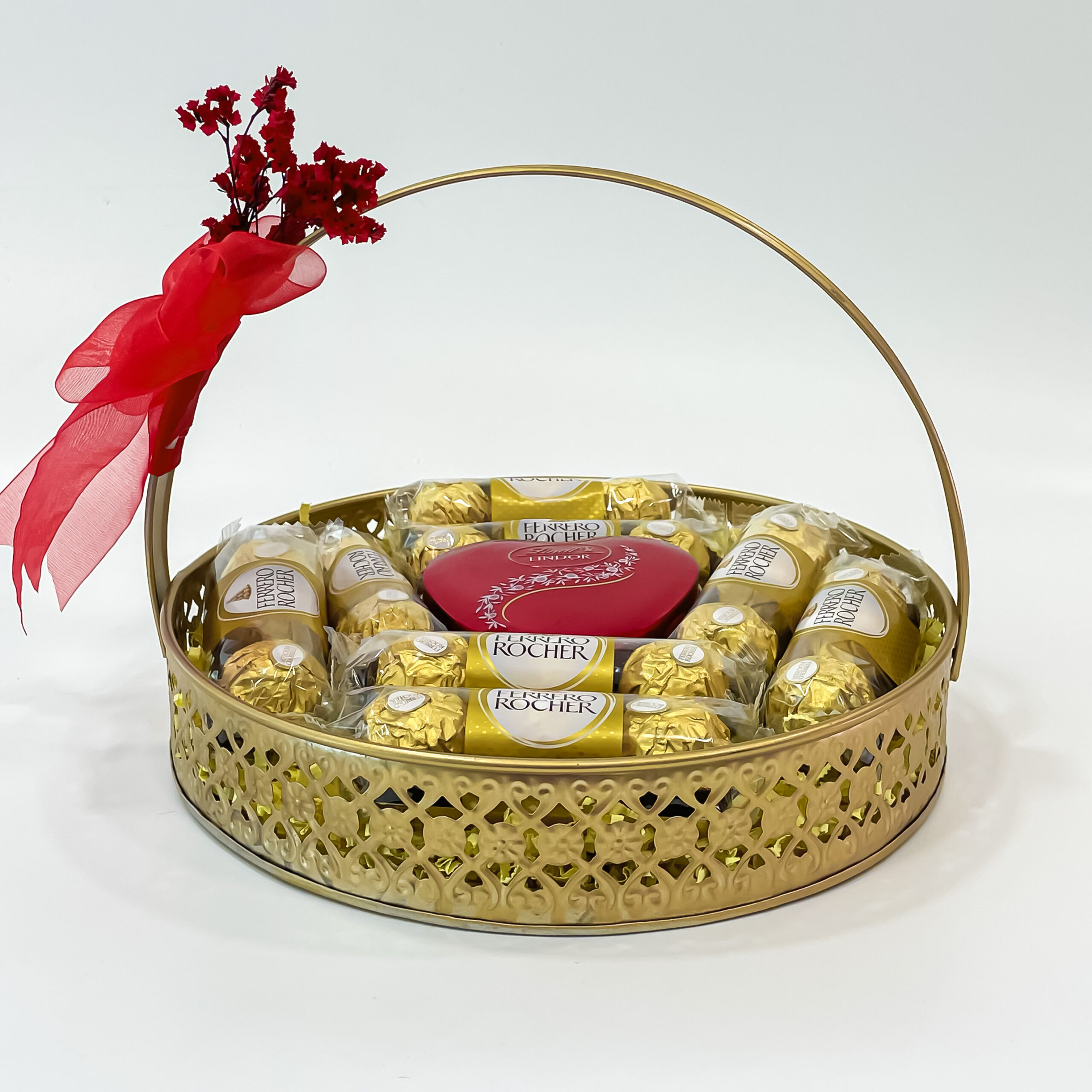
Now that you know how to keep chocolate fresh during shipping, you can focus on the final touch: presentation. Add a handwritten note, a ribbon, or a small gift card to personalize the experience. The combination of a well‑protected chocolate and a thoughtful gesture turns a simple delivery into a memorable moment.
By following these steps—understanding chocolate’s sensitivities, using smart packaging, choosing reliable logistics, and avoiding common pitfalls—you’ll ensure that every chocolate arrives as fresh and delightful as the moment you first wrapped it. So next time you send a sweet treat, remember: it’s not just about the chocolate; it’s about the journey that keeps it perfect.